
Most advice says exercise lowers blood sugar, and over time it does. Then you check your number right after a run and it is higher than when you started. This page explains why that can happen, why the number often comes back down on its own, and why the big muscles in your legs matter. It also shows my own pattern from running, labeled as my experience and not as advice.
Quick answer: The American Diabetes Association says exercise usually lowers glucose, but heavy lifting, sprints and competitive sports can trigger adrenaline, which prompts the liver to release stored glucose. Eating a lot of carbohydrate before or during a workout can also outweigh what the muscles use, and early-morning workouts can overlap with the dawn phenomenon. For me, readings usually climb when I start running, are often higher right after I finish than when I began, and then settle by themselves about 30 to 40 minutes later. That timing is my own pattern, since the ADA page does not give a duration. This is general education, not a meal or exercise plan, and it does not say how your glucose will respond.
My pattern
My experience, not medical advice. When I run, my glucose readings usually go up once I start. Right after I finish they are usually higher than they were when I began. Then they drop on their own, typically about 30 to 40 minutes after the run. I find that regular running helps lower my blood sugar over time and gives me more energy.
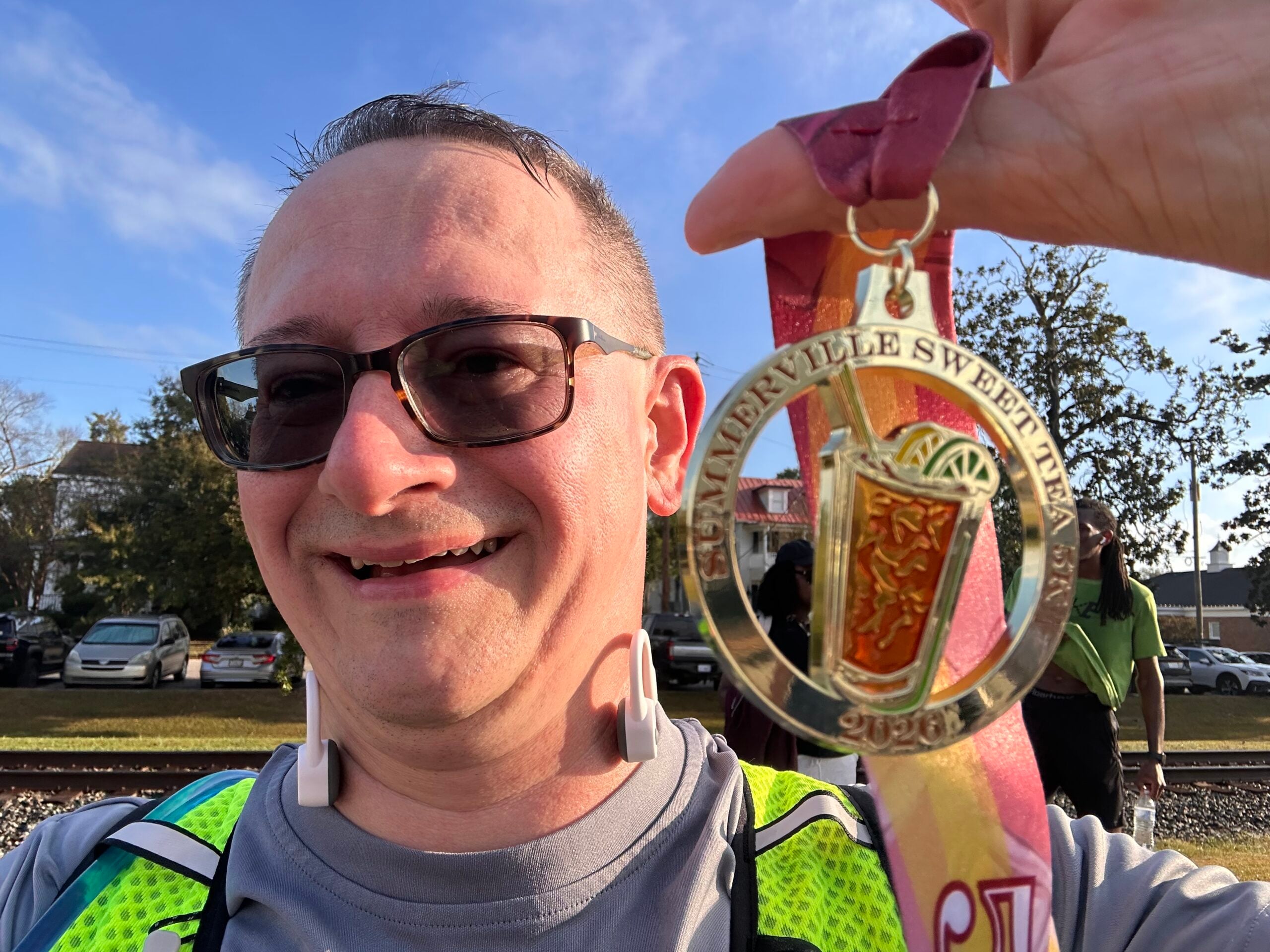
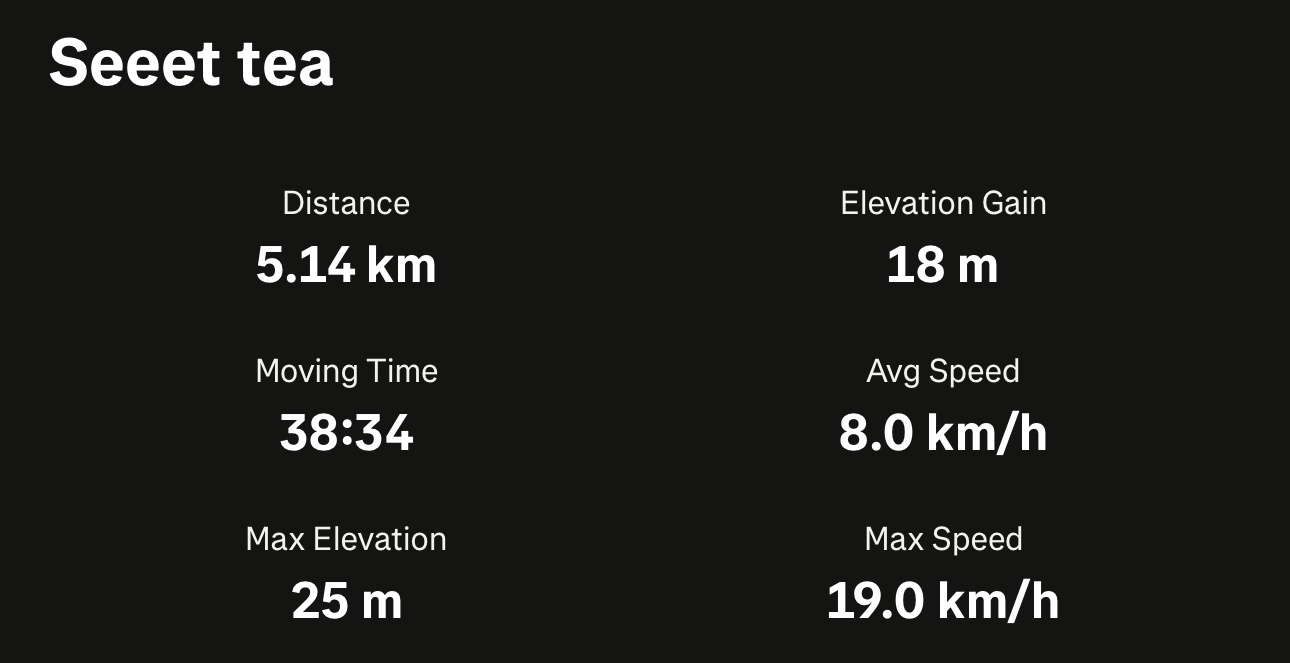
I ran the 2026 Summerville Sweet Tea 5K and finished 5th in the men’s 55 to 59 division at a 12:07 per mile pace. I am not a physician, I cannot tell you why this happens for me, and your pattern may be different.
Why glucose can rise when you run
The ADA lists several causes of a rise during or after exercise. Most aerobic exercise lowers glucose, so a rise is more likely with harder efforts.
- Stress hormones. Heavy weightlifting, sprints and competitive sports can trigger adrenaline, which prompts the liver to release stored glucose. A race is competitive, and starting lines are full of adrenaline.
- Workout intensity. High-intensity training and weightlifting are the types of exercise the ADA says can raise glucose.
- Carbohydrate before or during. Eating a lot of carbohydrate around a workout can outweigh the glucose the muscles use.
- Time of day. The dawn phenomenon, a natural rise between about 4:00 and 8:00 a.m., can make morning workouts more likely to push glucose up. See our guide to the dawn phenomenon and to stress and blood sugar.
I cannot say which of these explains my own readings. They are the possibilities the ADA names.
Why it comes down afterward
The ADA describes two ways exercise lowers glucose. Insulin sensitivity increases, so muscle cells use available insulin better during and after activity. And when muscles contract, their cells can take up glucose for energy whether or not insulin is available. The ADA also says regular activity can lower A1C, and that anaerobic exercise such as strength training can lower glucose during a workout and for up to 24 hours after.
The ADA does not explain why a drop shows up about 30 to 40 minutes after a run for me. One plausible reading, which we have not tested, is that the stress-hormone push fades while the muscles keep taking up glucose. Treat that as a guess, not a finding.
Why the legs matter
Running works the biggest muscles in the body. When you walk, you are already using some of the largest muscles you have, including the glutes and hamstrings, according to UCLA Health. Muscle that has just been used takes up more glucose, and a 2024 study in Diabetologia tested it directly. After a meal test, glucose uptake and clearance rose about twice as much in a leg that had exercised as in the rested leg.
That is one lab study, and it shows that exercised muscle takes up more. It does not rank muscles against each other. A separate research review describes isolated contractions of the small soleus muscle in the calf producing a large reduction in the post-meal glucose rise, which suggests muscle size is not the only thing that matters. The practical point is simple: using large muscles regularly gives your body more places to put glucose. Our guides to strength training and walking after meals cover that side in more depth.
What to do about a rise
The ADA suggests these approaches for people whose glucose rises during or after a workout. Ask your care team which fit you.
- Choose gentler workouts such as moderate-intensity aerobic exercise, or circuit training with light weights and high repetitions.
- Use relaxation techniques such as paced breathing, visualization or meditation before and during exercise, which may reduce the adrenaline effect.
- Consider timing. If you usually exercise early in the morning, a later workout may be less likely to raise glucose.
- Limit large amounts of carbohydrate before and during workouts. The ADA suggests snacks such as yogurt with nuts or peanut butter.
- Talk to your doctor about whether to adjust rapid-acting insulin or other short-acting diabetes medicines before workouts that tend to raise glucose.
- Track your patterns. Check glucose regularly and keep a workout log so you learn your own response.
The ADA page does not give a glucose level at which to skip a workout, so ask your care team what range is right for you before you exercise.
Track your own pattern
Your timing may differ from mine. A simple log shows it within a few runs. Copy this table into a notes app or print it.
| Date and time | Type of run | Carbs eaten before | Before | Right after | 30 to 40 min later | 2 hours later |
|---|---|---|---|---|---|---|
| Easy / hard / race | ||||||
Compare easy runs with hard ones and races, and morning runs with later ones. If you wear a CGM, remember it reads glucose in the fluid under your skin and runs behind during fast changes, so the timing it shows can be off. See our guide to exercising with a CGM. For the basics of starting to run, see running with type 2 diabetes.
Safety: lows can come later
A rise during a run does not mean you are safe from a low afterward. NIDDK says physical activity often lowers glucose, that low levels may last for hours or days after, and that you are most likely to have a low if you take insulin or some other diabetes medicines such as sulfonylureas. The ADA advises checking your glucose before you exercise and carrying fast-acting carbohydrate, such as glucose tablets, gummy candy or juice, in case you go low. If you take insulin or similar medicines, plan meal and exercise timing with your care team.
FAQ
Why does my blood sugar go up when I run?
The ADA names stress hormones such as adrenaline, which prompt the liver to release stored glucose, along with high intensity, a lot of carbohydrate before or during the workout, and the early-morning dawn phenomenon. Most aerobic exercise lowers glucose, so a rise is more likely with harder efforts.
How long does the rise last?
The ADA page on this topic does not say. In my own runs, readings usually settle by themselves about 30 to 40 minutes after I finish. Your timing may differ, so track it.
Is a rise after a run a problem?
The ADA says it can happen and does not set a glucose level on that page for when to avoid exercise. Ask your care team what levels are right for you, especially if you take insulin.
Will running lower my A1C?
The ADA says regular activity can lower A1C. A single run can raise glucose in the short term for some people, so look at the pattern over weeks, not one reading.
Do my legs matter more than other muscles?
Large working muscles use a lot of glucose, and one 2024 study found exercised leg muscle took up about twice as much after a meal as rested muscle. That study does not rank muscles, and research on the small calf soleus muscle shows size is not the only factor.
Should I eat before I run?
For people whose glucose rises with exercise, the ADA suggests limiting large amounts of carbohydrate before and during workouts. If you take insulin or sulfonylureas, low blood sugar is the bigger risk, so ask your care team and carry fast-acting carbohydrate.
Does a CGM show this accurately?
A CGM reads glucose in the fluid under the skin, so it lags during fast changes and the timing it shows can be off. Compare it with a finger-stick if a reading does not match how you feel.
Is this medical advice?
No. The personal pattern on this page is one runner’s experience. Ask your care team about exercise and glucose targets that fit you.
About the author: Charles Kirkland is the founder of Metabolic Clarity Labs and author of The Journey Back. He is not a physician. This is general education, not a medically reviewed treatment plan.
Sources, checked November 23, 2026: American Diabetes Association pages on blood glucose and exercise, why exercise sometimes raises blood sugar, anaerobic exercise and eating tips before and after exercise; NIDDK, Healthy Living with Diabetes; Diabetologia 2024 study of leg glucose uptake after a meal; soleus muscle research review; UCLA Health. Discuss personal decisions with a qualified clinician. Do not start, stop, or change prescribed treatment based on this article.