

Beans, lentils, oats, chickpeas, quinoa and barley are cheap, last for months in the pantry and show up in a lot of diabetes-friendly meals. They are also all carbohydrate foods, so they still raise blood sugar. This page puts a number on each one: carbs, fiber and protein in a typical serving, plus the tip from our Instagram carousel for using it.
Quick answer: A typical serving of these seven foods runs from about 19 g of carbohydrate (half a cup of canned kidney beans) to about 27 g (half a cup of dry rolled oats). Fiber is the real difference. Lentils bring about 8 g per half cup, while quinoa brings about 2.5 g. Fiber is already counted inside the total carbs, and nutrition writers note it may help blunt large rises after a carbohydrate meal. None of these foods is carb-free, so portion size still matters and your own meter or CGM readings are the final word. This is general education, not a meal plan.
The carousel
This is the swipe-through version we posted on Instagram. Tap any card to see it full size.
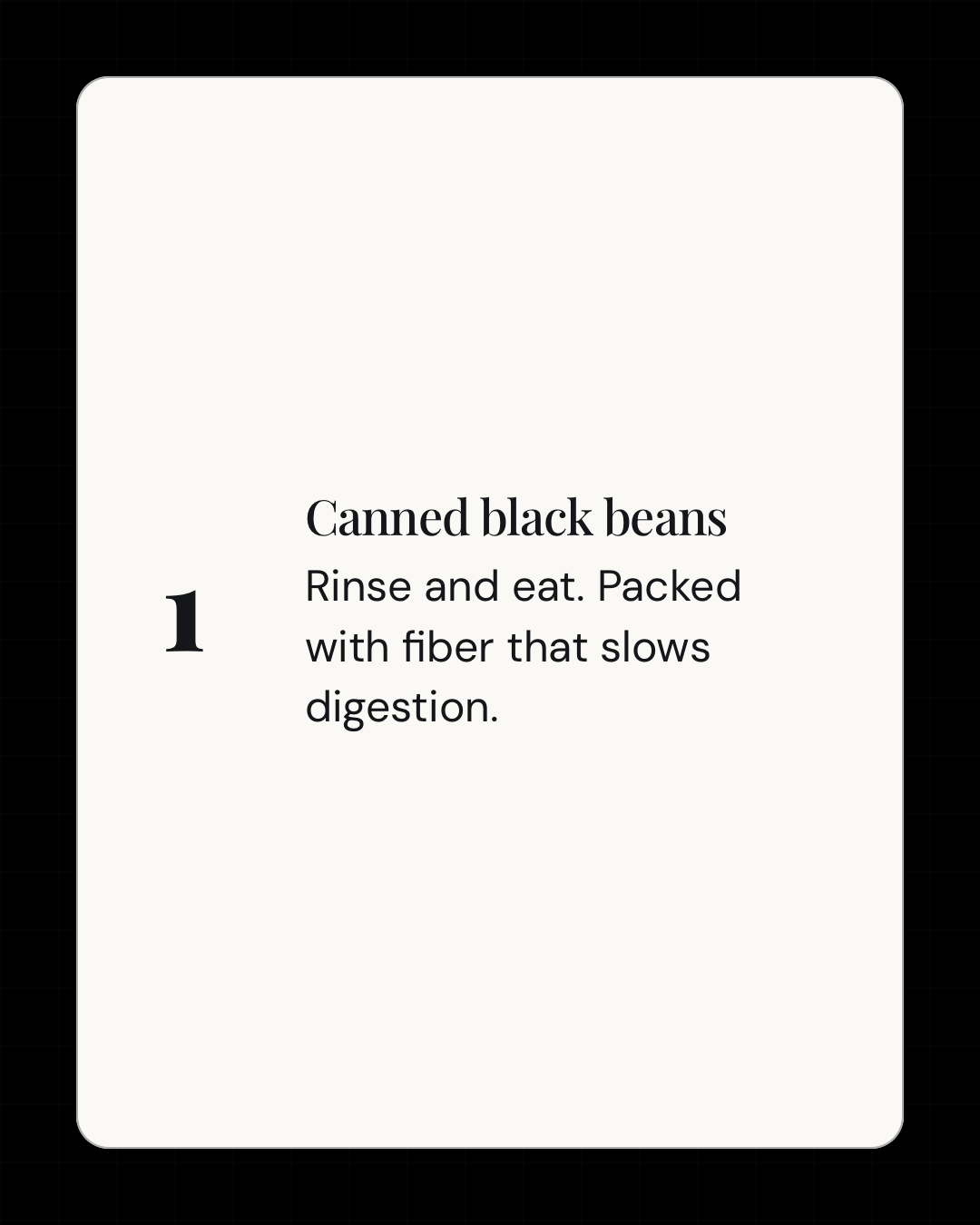
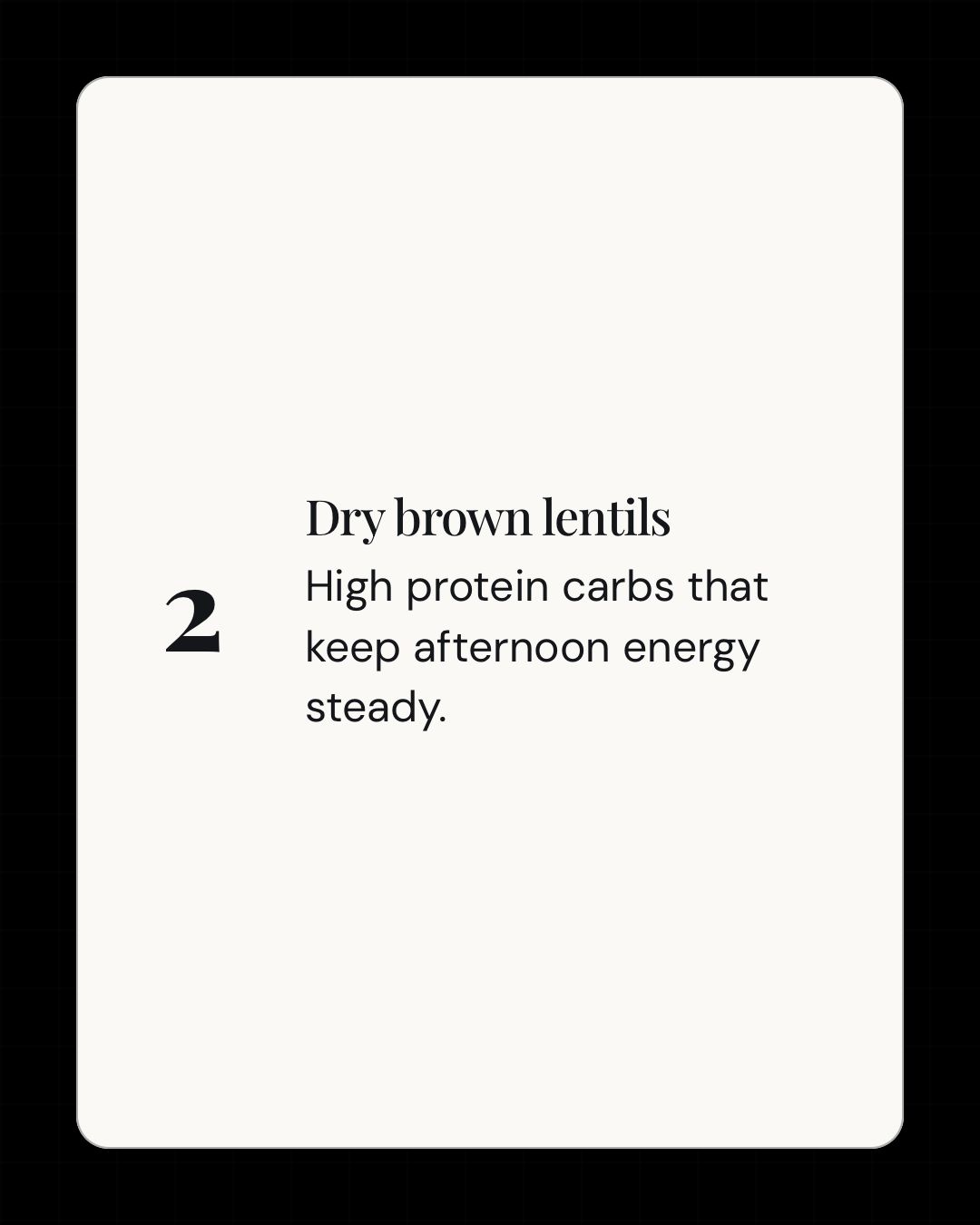
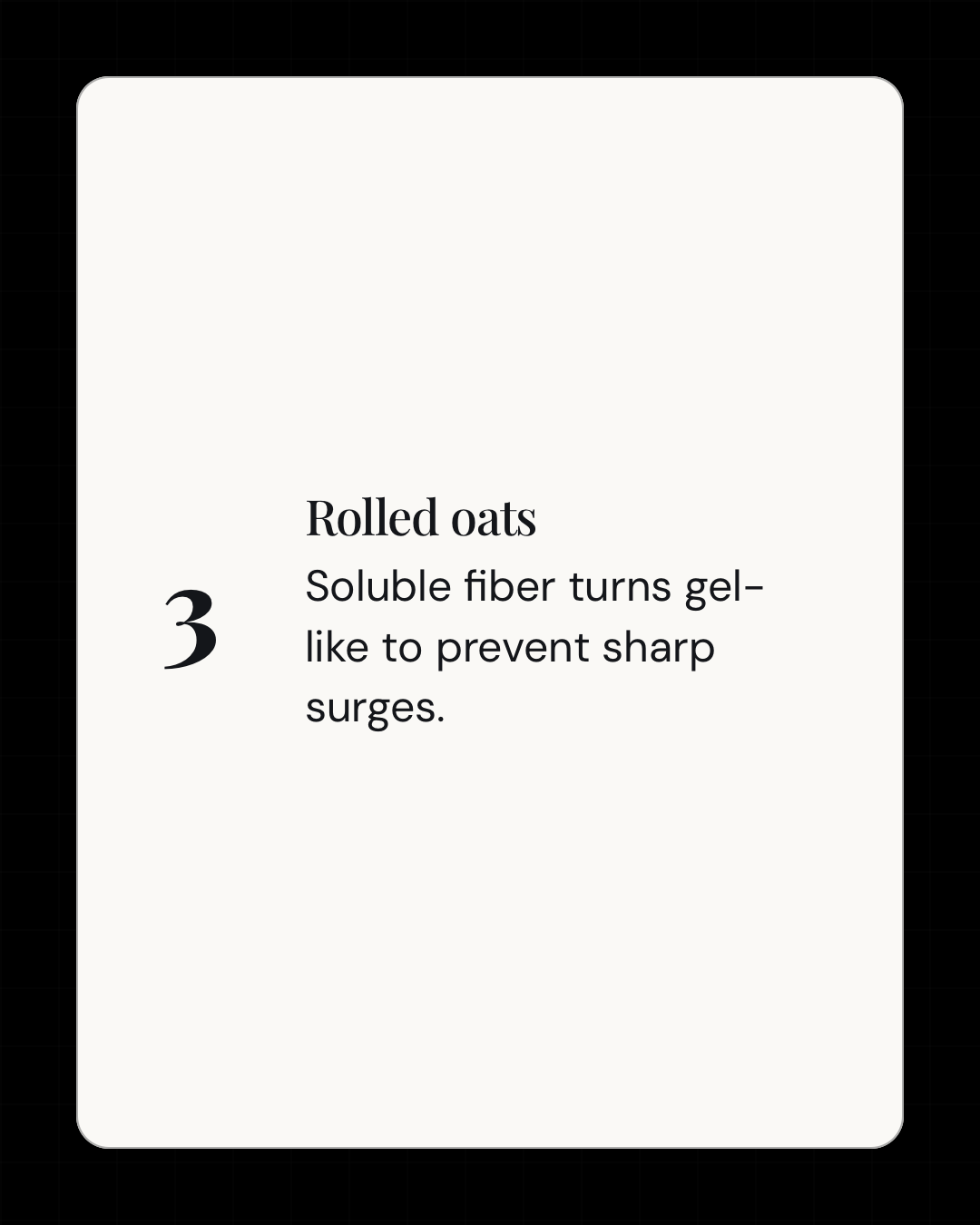
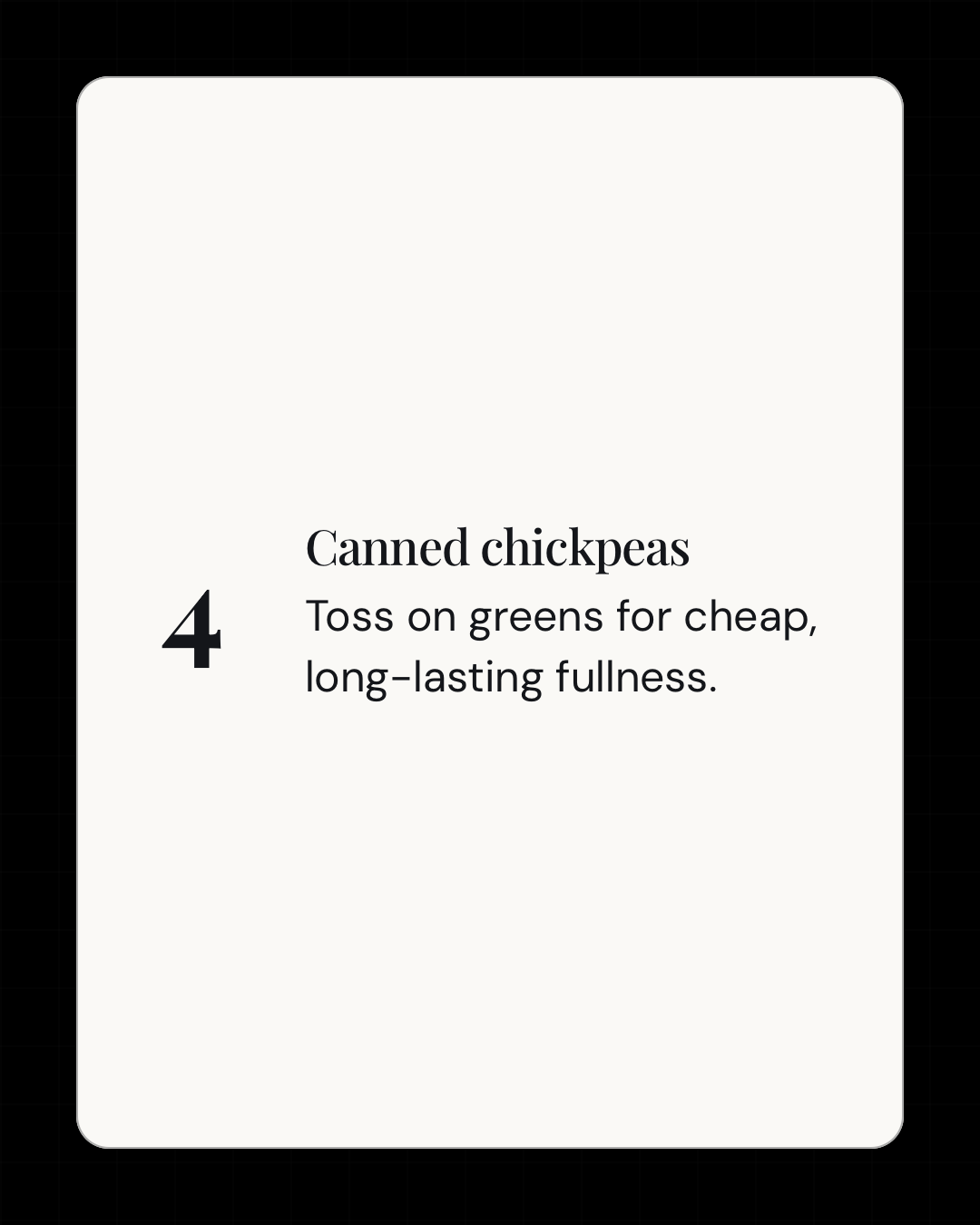
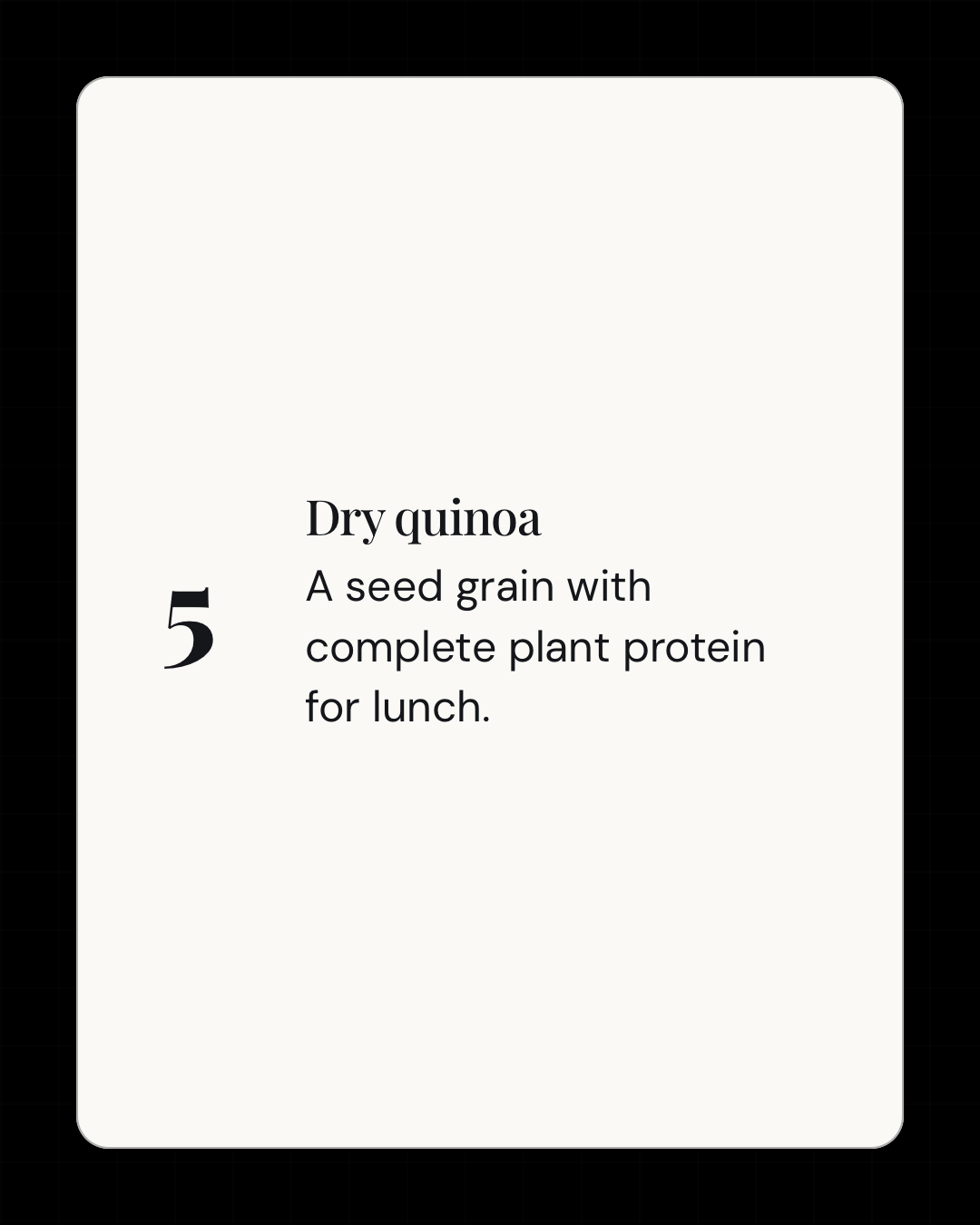
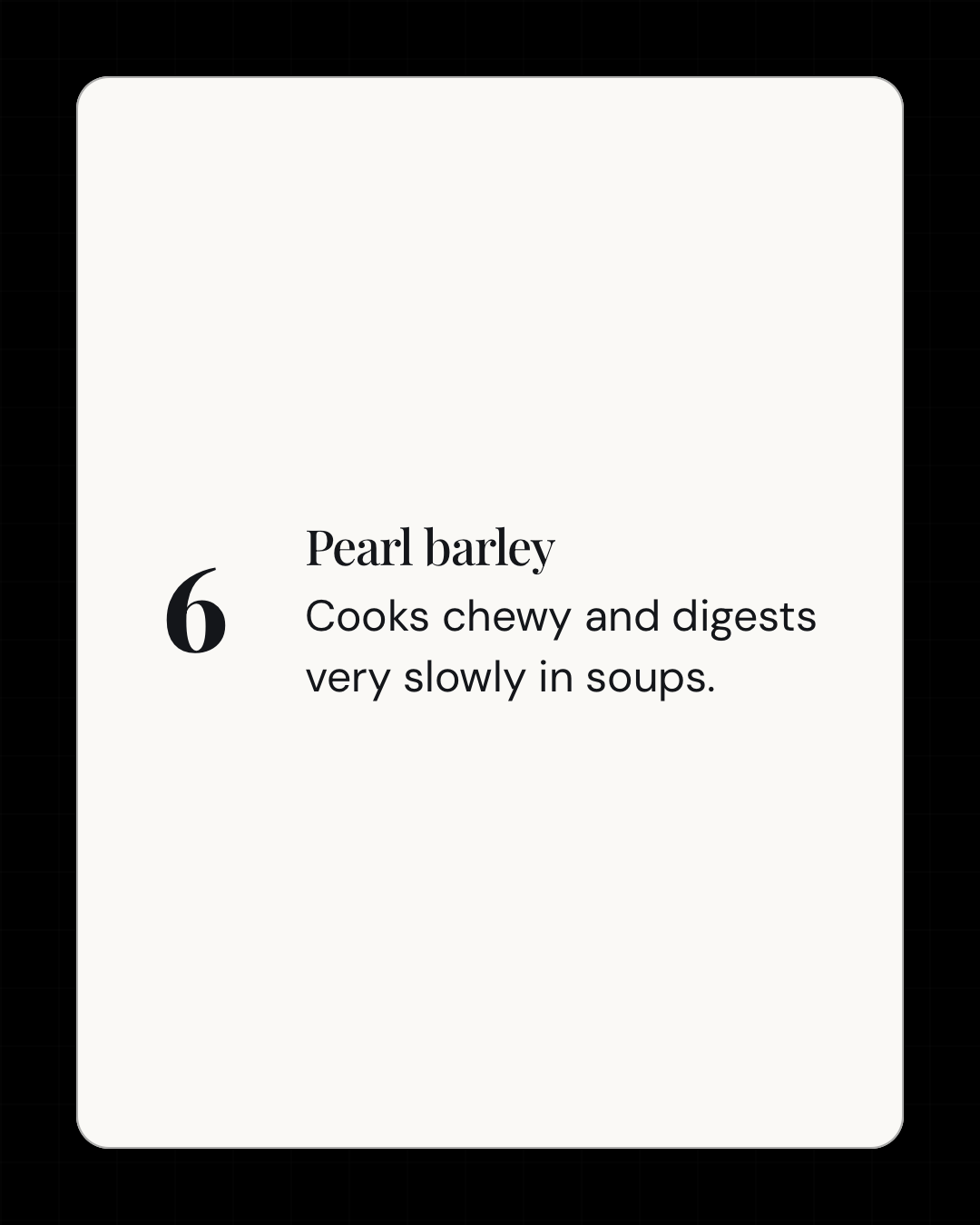
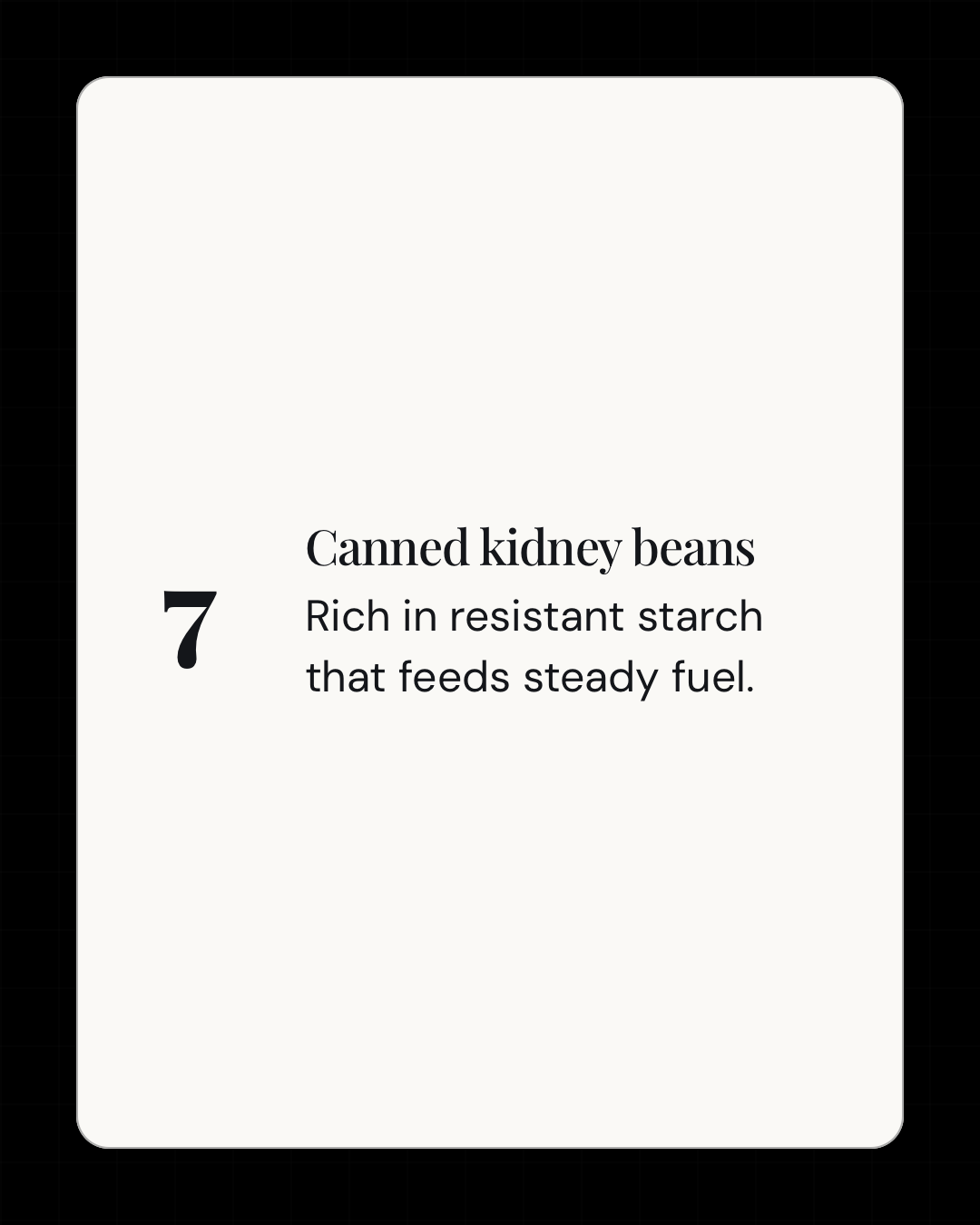
One correction to card 7: canning can reduce the resistant starch in beans compared with beans you cook from dry, so treat canned kidney beans as a fiber and protein food first. The cards also say dry lentils and dry quinoa because that is how you store them. The table below uses cooked servings, which is how you eat them.
Carbs, fiber and protein per serving
These are rounded USDA FoodData Central values for a half-cup serving, except the oats, which are measured dry. Brands differ, so check your own label, especially for canned foods.
| Food | Serving | Calories | Total carbs | Fiber | Protein |
|---|---|---|---|---|---|
| 1. Canned black beans, drained and rinsed | 1/2 cup (130 g) | about 110 | about 20 g | 5 to 7 g | about 7 g |
| 2. Brown lentils, boiled | 1/2 cup cooked (99 g) | about 115 | about 20 g | about 8 g | about 9 g |
| 3. Rolled oats | 1/2 cup dry (40 g) | about 150 | 27 g | 4 g | 5 g |
| 4. Canned chickpeas, drained | 1/2 cup | 110 to 140 | 22 to 27 g | 5 to 6 g | 6 to 7 g |
| 5. Quinoa, cooked | 1/2 cup (about 93 g) | about 110 | about 20 g | about 2.5 g | about 4 g |
| 6. Pearl barley, cooked | 1/2 cup (about 79 g) | about 97 | about 22 g | about 3 g | about 2 g |
| 7. Canned kidney beans, drained | 1/2 cup | about 110 | about 19 g | about 5 g | about 7 g |
The chickpea range is wide because brand labels and USDA entries disagree on drained weight. The quinoa and barley rows are half of the USDA one-cup values (quinoa 39 g carbs and 5 g fiber per cup; barley 44 g carbs and 6 g fiber per cup). Half a cup of dry rolled oats cooks up to about one cup.
Notes on each food
- Canned black beans. Rinse and eat. Rinsing matters because some canned beans carry a lot of sodium; the Academy of Nutrition and Dietetics notes some cans of chickpeas have more than 300 mg per half cup.
- Brown lentils. They have the most fiber and protein per serving of the seven. Dry lentils are about 63 g of carbs per 100 g, versus about 20 g per 100 g once boiled, so measure after cooking or use the cooked numbers.
- Rolled oats. A half cup dry has about 2 g of soluble fiber on common labels. At 27 g of carbs it is the highest-carb serving here, and instant or flavored packets are a different food, so read the label.
- Canned chickpeas. Toss them on greens. At 22 to 27 g of carbs per half cup, a quarter cup on a salad is a way to add them without a full serving.
- Quinoa. A seed that is cooked like a grain, often called a complete plant protein. It has the least fiber per serving of the seven, so do not assume it behaves like beans. Dry quinoa has about three times the carbs of cooked quinoa by weight.
- Pearl barley. It cooks chewy and works well in soups. A cup of cooked pearl barley has about 6 g of fiber, including roughly 2 g of soluble beta-glucan.
- Canned kidney beans. The lowest-carb serving on the list at about 19 g per half cup, with around 5 g of fiber.
For other starches, see our guides to brown rice vs. white rice, pasta, potatoes and diabetic breakfast ideas.
Pairing with greens and healthy fats
The closing card in the carousel suggests pairing any of these with healthy fats or greens. That fits the way the CDC builds a plate, with non-starchy vegetables taking up a large share and starch limited to a smaller one. See our guide to the diabetes plate method and the carbs per meal page for the numbers.
How much a pairing changes your own reading is something to test. Foods with the same carbs can give different readings in different people, which is why a log helps more than a rule.
Test your own response
Pick one food from the table, eat a measured half cup, and check your glucose before and at the same times after each time you eat it. The post-meal glucose tracker has a ready table. Repeat it with the same food on different days before you decide how it works for you. If you take insulin or medicines that can cause lows, ask your care team before changing how much carbohydrate you eat.
FAQ
Are beans and lentils okay with diabetes?
They are carbohydrate foods, with about 19 to 20 g of carbs per half cup for canned beans and cooked lentils. They also bring 5 to 8 g of fiber and 7 to 9 g of protein, which is why they appear in many diabetes meal plans. Portion size and your own readings decide how they fit.
Which of these seven has the fewest carbs?
Canned kidney beans, at about 19 g per half cup, followed by canned black beans, cooked lentils and cooked quinoa at about 20 g. Rolled oats are highest at 27 g per half cup dry.
Which has the most fiber?
Cooked brown lentils, at about 8 g per half cup, then canned black beans, chickpeas and kidney beans at roughly 5 to 7 g. Quinoa has the least, at about 2.5 g.
Do I need to rinse canned beans?
Rinsing washes away some of the sodium in the canning liquid. Some canned chickpeas have more than 300 mg of sodium per half cup before rinsing, so check the label if you watch sodium.
Are canned kidney beans high in resistant starch?
Not necessarily. Canning can reduce the resistant starch in beans compared with beans cooked from dry. Canned kidney beans are still a source of fiber and protein.
Is quinoa better than rice for blood sugar?
A cup of cooked quinoa has about 39 g of carbs and 5 g of fiber. Our guide to brown rice vs. white rice has the rice numbers for comparison. Foods with similar carbs can still give different readings in different people, so test your own.
How much of these can I eat?
That depends on your meal plan and medicines. Our carbs per meal page shows what the CDC and NIDDK say, and your care team can set a target for you.
Is this medical advice?
No. It is general education using published nutrition data. Ask your care team about portions and carb targets that fit you.
About the author: Charles Kirkland is the founder of Metabolic Clarity Labs and author of The Journey Back. He is not a physician. This is general education, not a medically reviewed treatment plan.
Sources, checked November 23, 2026: USDA FoodData Central values as relayed by nutrition databases, with label values for canned and branded foods; Diabetes Food Hub, cooked quinoa; Nutrition Advance, quinoa; Academy of Nutrition and Dietetics, chickpeas; Calorie Count, black beans and resistant starch. Discuss personal decisions with a qualified clinician. Do not start, stop, or change prescribed treatment based on this article.